
2026-11-28 · 4 min read
What Is EN ISO 13688? Protective Clothing Requirements
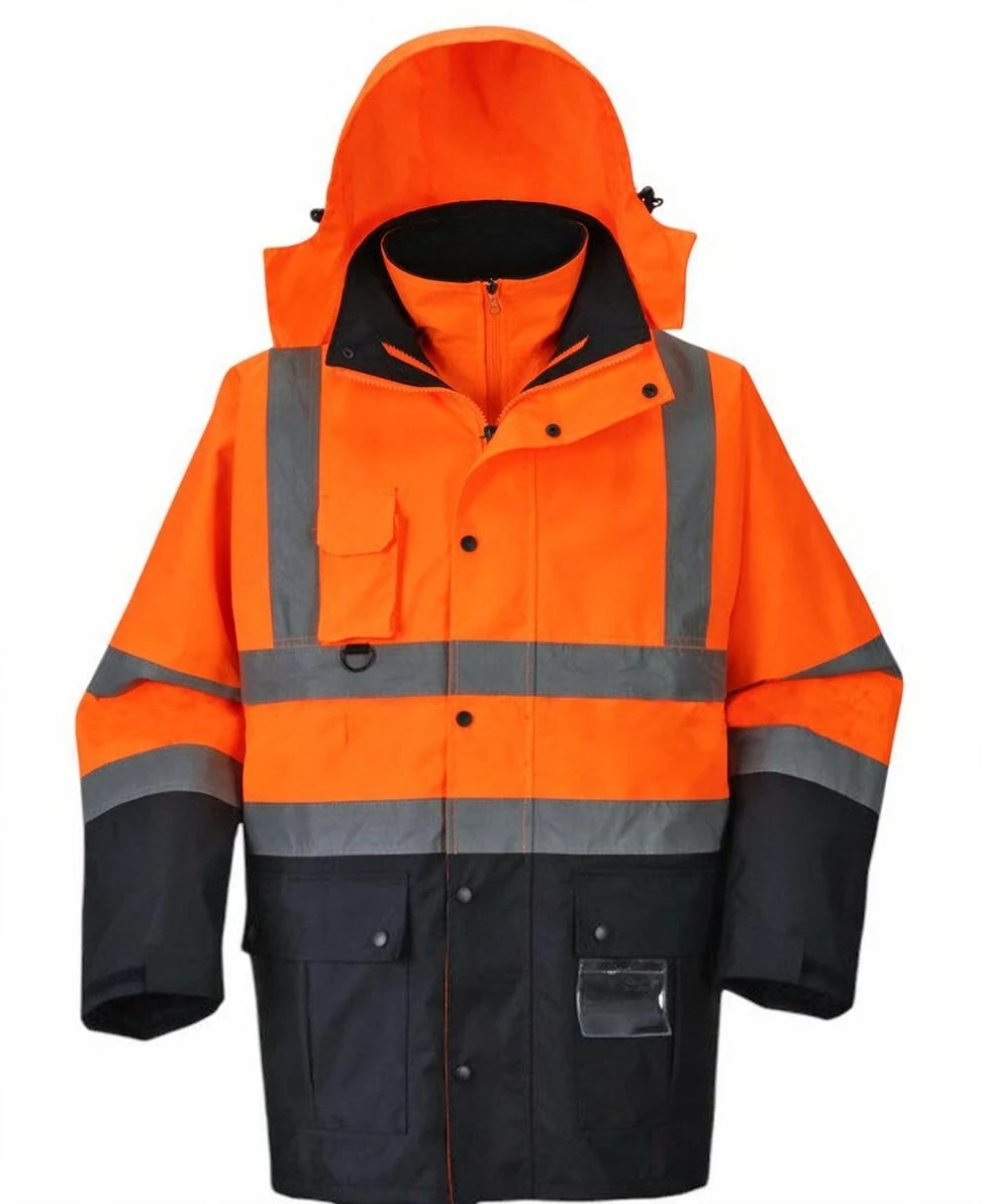
EN ISO 13688 addresses general requirements for protective clothing. It does not independently define a protection class for a specific hazard. Assess it together with risk-focused standards such as EN ISO 20471 for visibility and EN 343 for rain. Meeting general requirements does not mean every garment protects against all hazards or is independently certified to every standard.
Ergonomics and mobility
Protective clothing must be usable during the task. Assess bending, reaching, walking and vehicle use alongside fit and fastenings. A size label or photograph cannot establish complete compatibility. Include inner layers and other PPE in fit trials. The same model may face different movement requirements across duties; samples should be assessed in realistic working positions.
Innocuousness
Garment materials and structures contacting the wearer are assessed against relevant general requirements. This is not an unlimited health guarantee for every substance. Read fabric, lining, coating and application information from the particular model's technical entry. Do not invent chemical test results, composition percentages or allergy claims. Discuss special requirements with the manufacturer and the appropriate specialist.
Size designation and measurements
Sizing supports the relationship between garments and wearer measurements. The size guide explains body measurements, not finished garment dimensions. Check the catalogue's XS–5XL range against each model entry. The supplied type-examination document's S–5XL scope and the catalogue sales range are different information layers; do not extend certificate scope. Layers and task movements may mean garments with identical size labels fit differently.
Ageing and use
Wear, washing, sunlight, dirt and storage can affect construction. General ageing requirements do not establish a fixed service-year or wash-cycle limit. Follow verified model limits alongside labels and instructions; where none exist, do not invent them. Detached tape, permanent fading, tears or failed fastenings require assessment of continued protective use. Our care guide explains general checks.
Marking and user information
Product names, model codes, sizes, standards and care instructions complement one another. A pictogram identifies a topic but does not replace independent documents. Users should understand intended conditions and configurations. In 5in1 parkas, do not assume outer and inner layers have identical classes. The BS-1001 entry distinguishes outer Class 3 and inner Class 2.
Reading Blacksafe catalogue statements
Catalogue EN ISO 13688 general conformity is based on the user's manufacturer declaration. This standard is not included in the supplied TSE EU type-examination document. Keeping that distinction avoids presenting general conformity as independent certificate verification. Assess other standards and classes using the model's own entries. Review declarations and documents by model code to avoid mixing evidence types during procurement.
Procurement and model verification
Provide model codes, quantities, size allocation, field conditions and logo placement when requesting a quotation. Requesting a standard does not establish that the model is independently certified to it. Review product descriptions, technical tables and the Certificates section together. Read labels, instructions and declarations for the specific model; another product's data do not transfer automatically.
Compare body measurements with the size guide and test movement while wearing the intended layers. Printing or embroidery must not reduce visible areas or compromise protective construction; discuss the customisation plan with the manufacturer. Follow garment labels for care and storage. If no service-year or wash-cycle limit is verified, do not assume a fixed lifetime. International supply requires a separate review of destination regulations; CE marking is not automatic acceptance in every country.
The standards guide explains terminology; use catalogue documents for specific model information. Request a corporate quotation for your team's needs.
Reading the technical table
Review fabric, lining and coating entries alongside the model code. A polyester percentage or fabric weight recorded for one model is not a catalogue-wide value. Sizes and usage information are likewise model-specific. State special material or measurement requests separately from current entries. A general standards explanation does not create new material properties or classes. Ask the manufacturer for missing comparison information rather than guessing and inserting unknown values.