2026-11-15 · 5 min read
EN ISO 20471 Visibility Classes: 1, 2 and 3
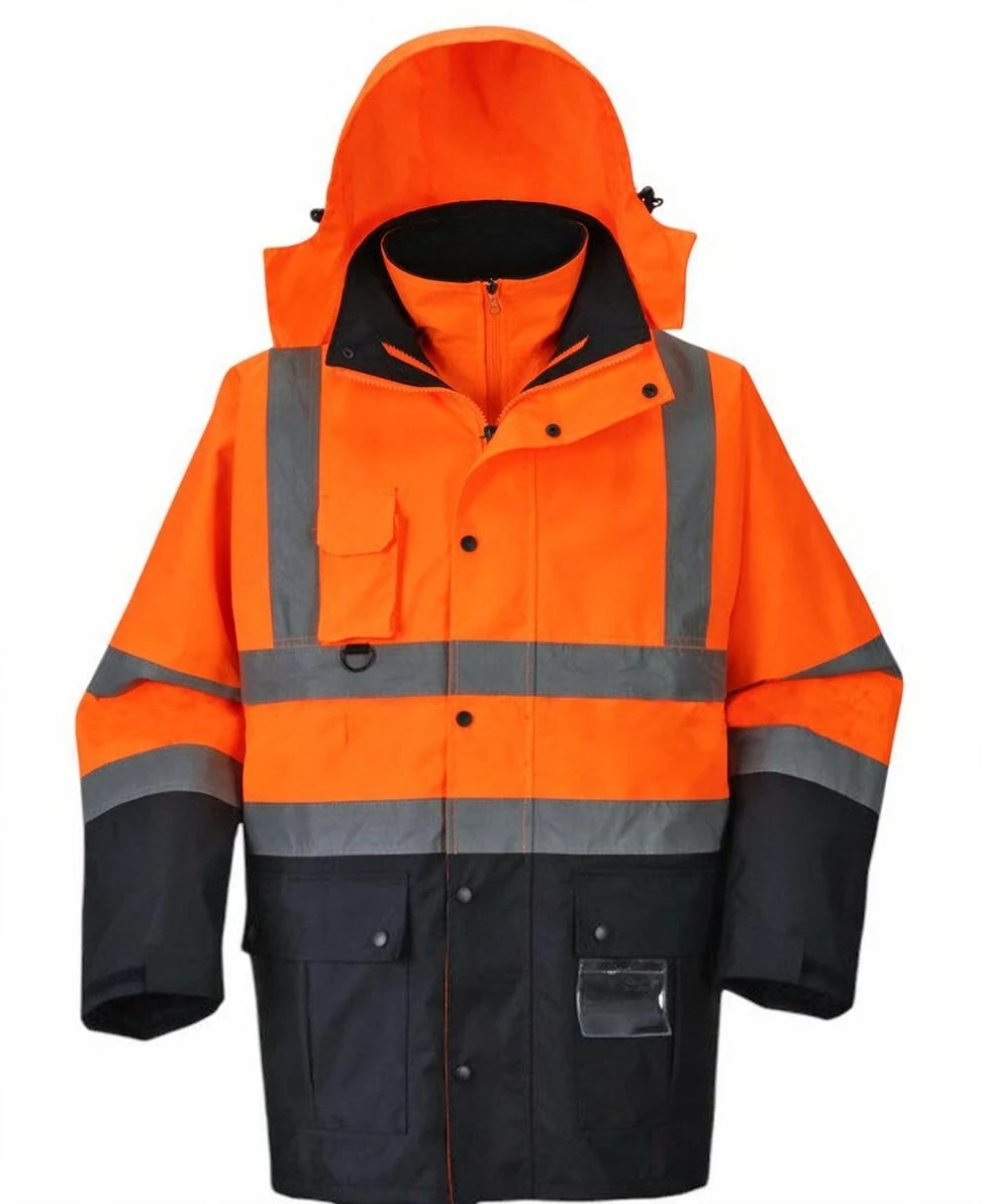
EN ISO 20471 describes requirements for clothing intended to make workers more conspicuous in daylight and under illumination. It is not simply a count of reflective strips. Fluorescent background area, retroreflective area, material properties and garment design are assessed together. Classes 1, 2 and 3 are part of that system; the class number does not establish rain or cold protection.
Daylight conspicuity and reflection at night
Fluorescent yellow or orange backgrounds support daytime conspicuity in suitable surroundings. Retroreflective strips return incident light towards its source. A vest looking bright does not establish measured material areas or a verified protection class. For night work, assess lighting, vehicle approach directions, worker posture and visual obstructions together. High visibility does not guarantee that a machine operator will see a person in every condition.
Comparing Classes 1, 2 and 3
| Class | Fluorescent area | Retroreflective area | Environment to assess |
|---|---|---|---|
| 1 | ≥0.14 m² | ≥0.10 m² | Lower traffic risk; worksite assessment required |
| 2 | ≥0.50 m² | ≥0.13 m² | Warehousing, logistics and urban work; assess the actual risk |
| 3 | ≥0.80 m² | ≥0.20 m² | Higher traffic risk, night work and poor visibility |
These examples are not automatic legal assignments. Minimum areas do not explain every garment requirement; assess design, material performance, marking and model verification too.
Why can outer and inner jackets have different classes?
BS-1001 records EN ISO 20471 Class 3 for its outer jacket and Class 2 for its inner jacket. Removing the shell or sleeves may change the visible surface arrangement. Do not transfer the outer layer's class to an inner piece. Even when parts share a brand and product family, use the documents and markings for the configuration actually worn. The BS-1001 product page presents outer and inner entries separately.
If a worker's task requires Class 3, removing the outer jacket may not be appropriate simply because the weather is warmer. Safety personnel should assess duration, surroundings and PPE compatibility. Classes are not added mathematically when garments are worn together. Without verified combination information, two Class 2 garments do not automatically become Class 3.
A task-based decision matrix
Procurement teams should first record vehicle type, speed and the worker's proximity to traffic. Then distinguish daylight, night and poor-visibility duties. Warehouse forklift routes and open-road maintenance are different environments; assess them separately rather than automatically assigning the same class. Background colours and equipment obscuring visible surfaces also matter. A supervisor's corporate colour preference must not take priority over the protection requirement.
Safety vests, reflective jackets and 5in1 parkas offer different layering and weather options. Record the model's standard separately from its actual class. If a catalogue entry lists only EN ISO 20471, do not guess an unrecorded class. The Class 2 recorded for BS-6000 and BS-6001 must not be replaced with a 5in1 outer jacket's Class 3.
Fit, layers and surface arrangement
An oversized garment may create snagging or mobility issues; an undersized one may affect closure during bending and reaching. A measurement chart alone is not enough: test the worker's real movements. Bags, harnesses, dark vests or another open layer may obscure visible surfaces. Include PPE compatibility in the risk assessment. Identical size labels do not mean different models share finished dimensions.
Checking garments during use
Dirty fluorescent areas, covered strips, worn reflective surfaces or permanent fading may affect conspicuity. Inspect clothing before use. Follow care-label temperatures and treatment restrictions without inventing wash-cycle or service-year limits. Tape separation, tears and failed zips require an assessment of continued protective use. Consider the manufacturer's information together with the employer's PPE selection decision.
Procurement and model verification
Provide model codes, quantities, size allocation, field conditions and logo placement when requesting a quotation. Requesting a standard does not establish that the model is independently certified to it. Review product descriptions, technical tables and the Certificates section together. Read labels, instructions and declarations for the specific model; another product's data do not transfer automatically.
Compare body measurements with the size guide and test movement while wearing the intended layers. Printing or embroidery must not reduce visible areas or compromise protective construction; discuss the customisation plan with the manufacturer. Follow garment labels for care and storage. If no service-year or wash-cycle limit is verified, do not assume a fixed lifetime. International supply requires a separate review of destination regulations; CE marking is not automatic acceptance in every country.
The standards guide explains terminology; use catalogue documents for specific model information. Request a corporate quotation for your team's needs.
Matching documents to purchasing records
Record model codes, not just commercial names, when purchasing. Families may contain different colours and layers; read document scope accordingly. Check that the photographed piece matches the piece ordered. Where catalogue sales sizes differ from the type-examination document's coverage, clarify the distinction with the manufacturer. Specify duties where removable inner pieces are worn alone. This keeps corporate colours, sizes and protection requirements separate rather than hiding them under one product name. Document review does not replace the worksite risk assessment; both are needed.