2026-11-28 · 3 min read
How to Choose a Visibility Class: 1, 2 and 3
Visibility classes are not selected by colour or sector alone. Assess traffic, duties, illumination and viewing conditions together. The employer's risk assessment determines the required EN ISO 20471 class. A higher class does not cover every hazard; rain and other risks need separate model information.
Class comparison matrix
| Class | Fluorescent area | Retroreflective area | Environment to assess |
|---|---|---|---|
| 1 | ≥0.14 m² | ≥0.10 m² | Lower traffic risk; worksite assessment required |
| 2 | ≥0.50 m² | ≥0.13 m² | Warehousing, logistics and urban work; assess the actual risk |
| 3 | ≥0.80 m² | ≥0.20 m² | Higher traffic risk, night work and poor visibility |
These examples are not automatic legal assignments. Minimum areas do not explain every garment requirement; assess design, material performance, marking and model verification too.
Decision sequence
First assess proximity to traffic, machinery manoeuvres and safe routes. Then separate daylight, night and poor-visibility tasks. Posture, worn equipment and movement may affect visible areas. Match these findings to recorded model classes. Example environments in the table are not ready-made legal selection rules; assess the actual site.
Layer classes can differ
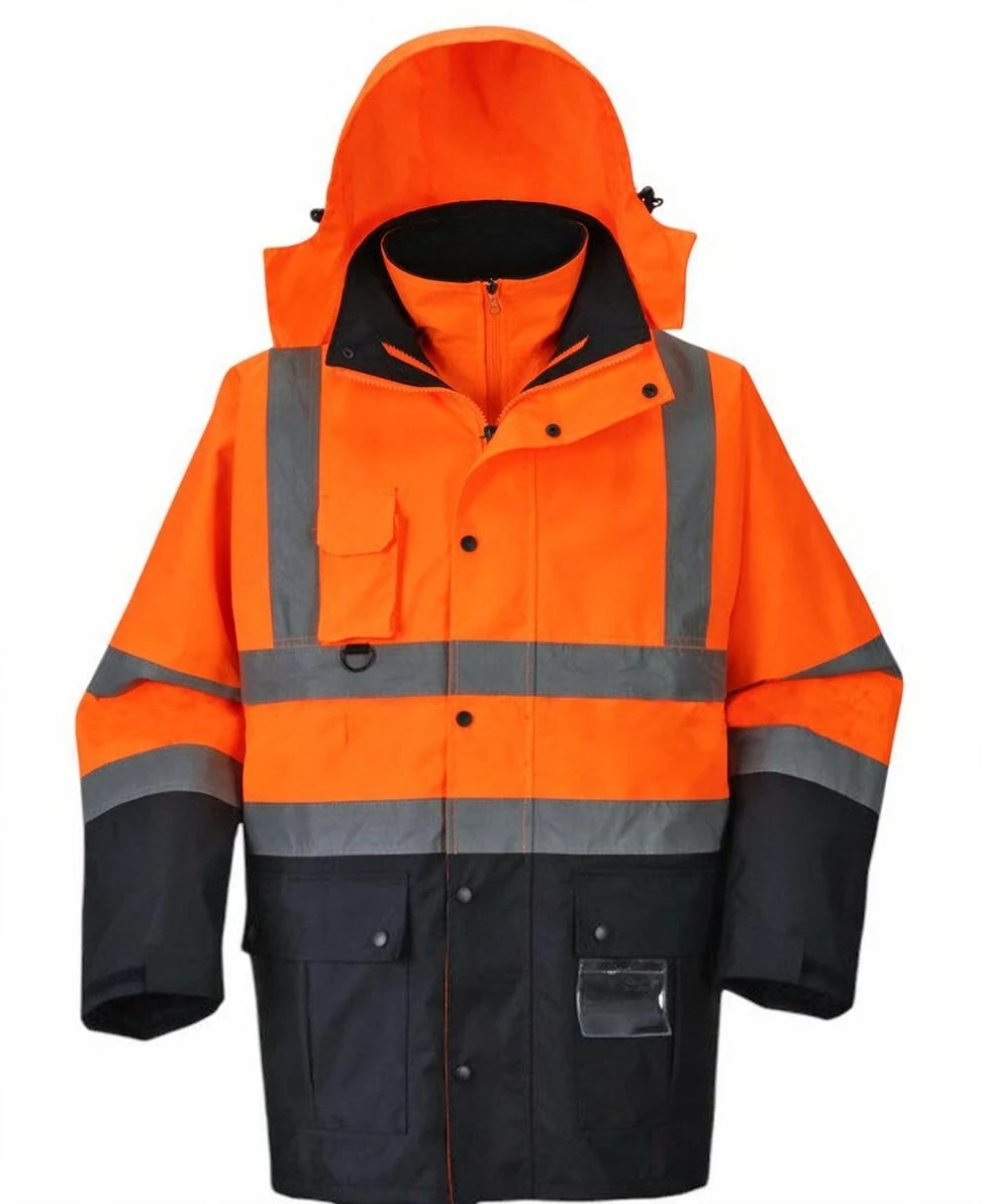
Read BS-1001 outer Class 3 and inner Class 2 separately. Removing a shell does not automatically retain the class. Compare 5in1 parkas and reflective jackets using the configuration actually worn. Do not add class numbers or infer a class from similar colours.
Final model check
Do not guess classes for entries listing only a standard code. Match model codes, sizes and intended use with document scope. Pages such as BS-1001 distinguish layers. Trial samples with other PPE and check surfaces covered by bags, harnesses or printing. Selecting the right class does not replace correct fit and use.
Procurement and model verification
Provide model codes, quantities, size allocation, field conditions and logo placement when requesting a quotation. Requesting a standard does not establish that the model is independently certified to it. Review product descriptions, technical tables and the Certificates section together. Read labels, instructions and declarations for the specific model; another product's data do not transfer automatically.
Compare body measurements with the size guide and test movement while wearing the intended layers. Printing or embroidery must not reduce visible areas or compromise protective construction; discuss the customisation plan with the manufacturer. Follow garment labels for care and storage. If no service-year or wash-cycle limit is verified, do not assume a fixed lifetime. International supply requires a separate review of destination regulations; CE marking is not automatic acceptance in every country.
The standards guide explains terminology; use catalogue documents for specific model information. Request a corporate quotation for your team's needs.