2026-11-28 · 3 min read
Is a Safety Vest Mandatory? Worksite Risk Assessment
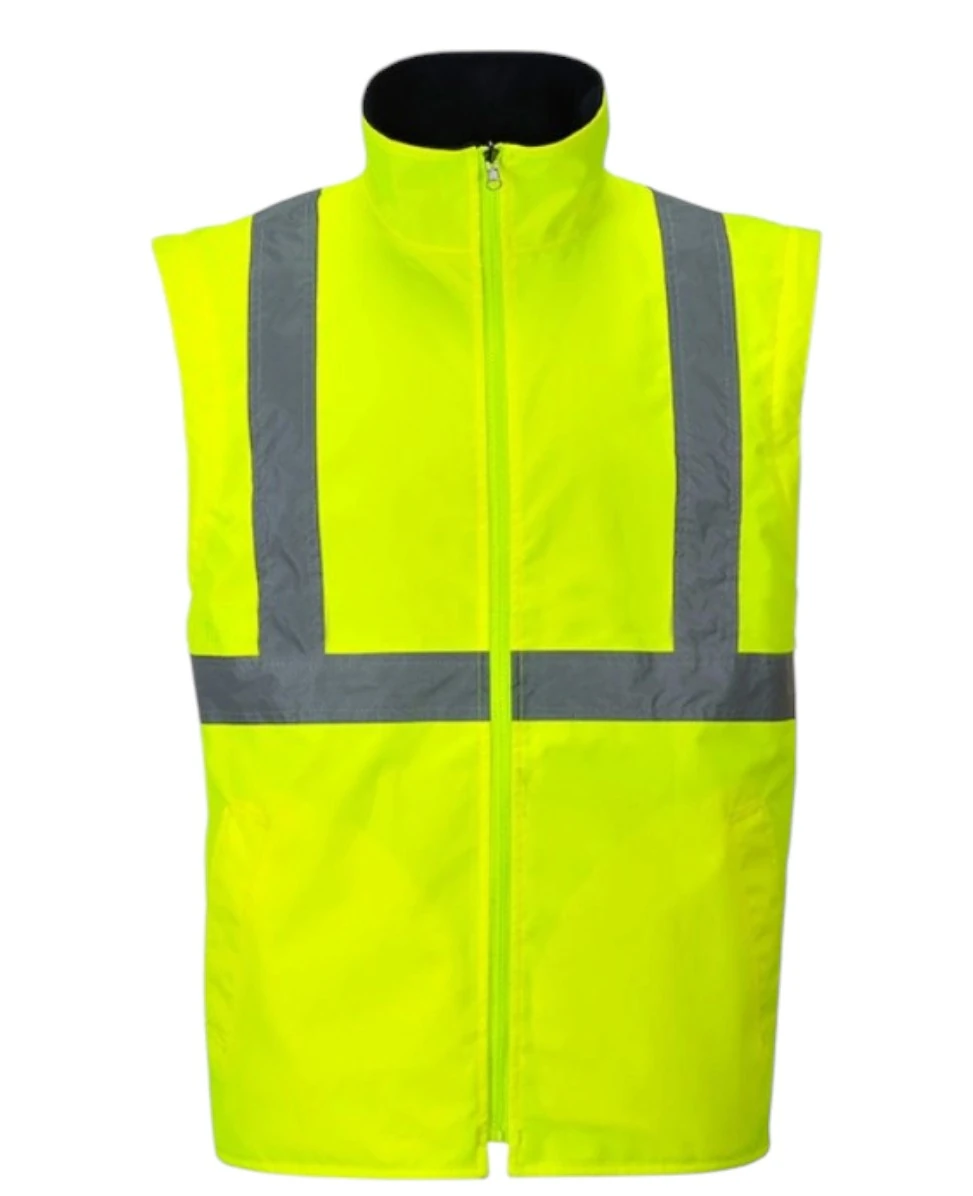
Whether a safety vest is mandatory cannot be answered from a product name or sector label alone. Assess tasks, traffic, visibility and applicable rules together. The employer's risk assessment and site procedures determine the required PPE. This article is general information; consult a qualified adviser for current regulations. It does not invent legal clauses or a single mandatory rule for every workplace.
Work intersecting with vehicle traffic
Construction sites, ports, warehouses and road-maintenance areas may bring workers and vehicles together. Fluorescent and reflective surfaces support detection, but vests do not replace traffic control. Blind spots, lighting, speed, manoeuvres and pedestrian routes need separate management. A vest does not guarantee detection by an operator or make every approach safe.
Which visibility class is required?
EN ISO 20471 Classes 1, 2 and 3 distinguish visible material areas. The worksite assessment determines the class; yellow or orange colour alone does not. Review individual entries through safety vests. If only a standard code is recorded, do not guess a class. Wearing a vest over a jacket or alone may change fit and surface arrangement.
Visitors and workers may face different conditions
A short-term visitor and a full-shift worker near traffic have different duties. Duration alone does not remove risk. Companies should establish entry rules, supervision and safe routes. Assess vest sizes with other clothing and check whether bags or equipment obscure visible areas. Corporate role colours must not take priority over safety requirements.
Understand the limits
A vest alone does not establish rain, cold or electric-arc protection. Other risks may require different documents and PPE. Compare options through reflective jackets and standards. Labels and instructions take priority over general blog information. Check damage, dirt and permanent fading and assess continued protective use appropriately.
Procurement and model verification
Provide model codes, quantities, size allocation, field conditions and logo placement when requesting a quotation. Requesting a standard does not establish that the model is independently certified to it. Review product descriptions, technical tables and the Certificates section together. Read labels, instructions and declarations for the specific model; another product's data do not transfer automatically.
Compare body measurements with the size guide and test movement while wearing the intended layers. Printing or embroidery must not reduce visible areas or compromise protective construction; discuss the customisation plan with the manufacturer. Follow garment labels for care and storage. If no service-year or wash-cycle limit is verified, do not assume a fixed lifetime. International supply requires a separate review of destination regulations; CE marking is not automatic acceptance in every country.
The standards guide explains terminology; use catalogue documents for specific model information. Request a corporate quotation for your team's needs.